
What to Bring on a Self-Drive Safari in Africa
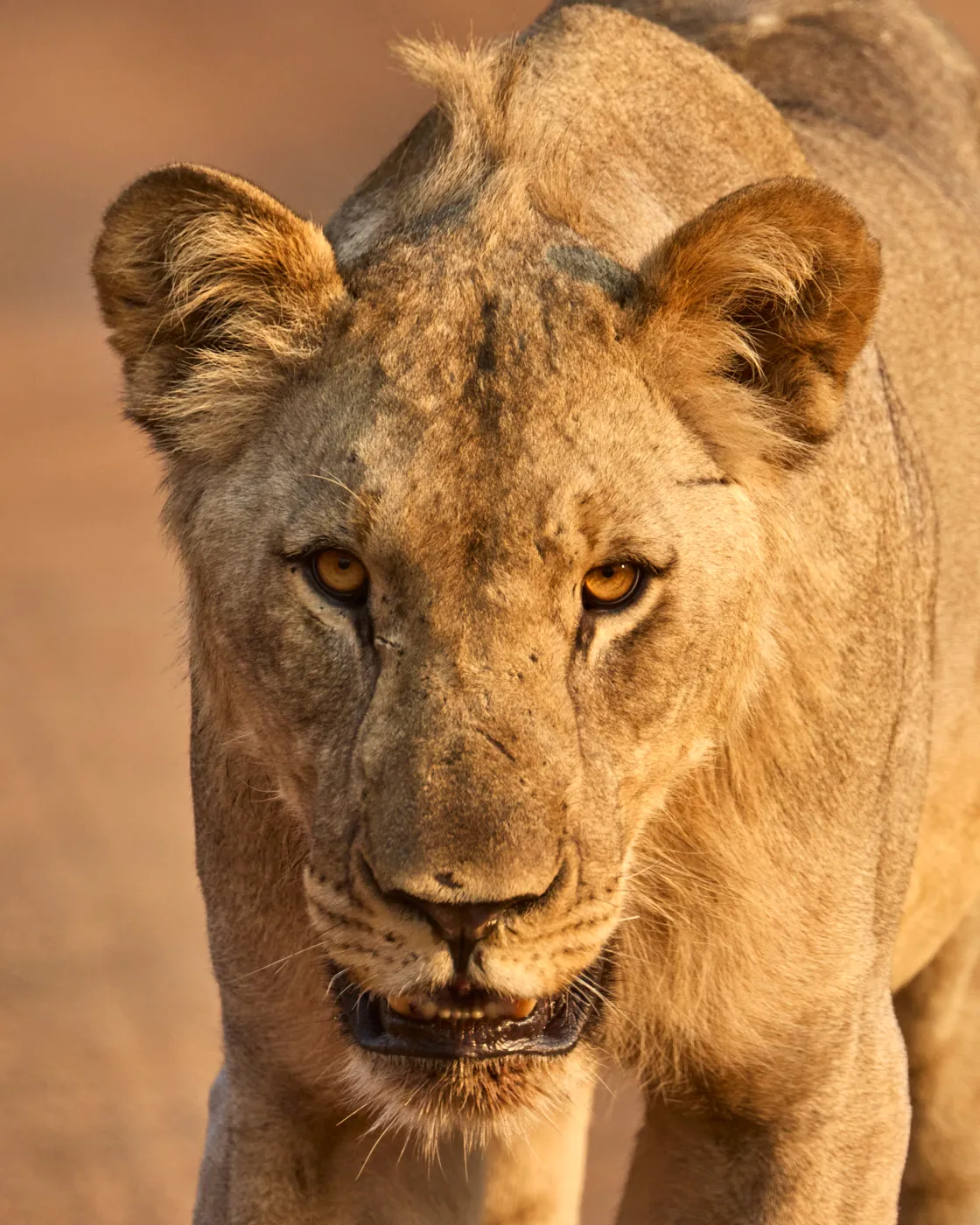
You’ve made up your mind: this year you’re going on a self-drive safari. Away from the crowded safari trucks, setting your own pace. But what does driving yourself actually take? What kind of car do you need for the roads you’ll encounter? Here are the things I learned the hard way, so you don’t have to.
Type of car: 2x4 vs 4x4
A self-drive safari without a car is going to be difficult, so let’s start there. The right choice depends on which parks you’re planning to visit. In almost all national parks in South Africa, a sturdy two-wheel drive is enough. The same goes for Etosha in Namibia. For the best game viewing it helps to rent something that sits a bit higher off the ground: you simply see more of the surroundings.
Heading beyond those countries? Then rent (or buy, if you’re going long-term) a four-wheel drive. The roads get considerably worse, and sand, water and rocks will turn a “regular” car into a liability. I drove a Toyota Hilux 4x4 from South Africa all the way to Kenya and back, through the wildest parks on the route, so it doesn’t have to be a top-of-the-line Land Cruiser or Land Rover either.
What to bring
Just like the roads, the facilities in Southern Africa are relatively civilized. If you’re sleeping in Kruger, you don’t need to bring much in the way of food or camping gear: there’s a shop at nearly every camp, plenty of bungalows to book, and even mechanics who can help if something breaks.
Back to basics
In most other countries it’s genuinely back to basics. Bring enough food and drinks (ideally in a fridge), camping gear, cookware and more than enough water. I always calculated three liters of water per person per day.
Breakdowns
How much help you can expect depends on the park. In bigger parks with proper campsites, such as Mana Pools in Zimbabwe or Chobe in Botswana, you’ll generally run into other people, especially in the evenings. In Gonarezhou in Zimbabwe or North Luangwa in Zambia, it’s a different story: you’re on your own. Besides plenty of food and water, make sure you at least have the following in the car:
- Hi-lift jack to get the car off the ground (and useful for a surprising number of recovery tricks)
- Tyre repair kit so you can fix a puncture without taking the wheel off
- At least one spare tyre, preferably two, depending on how long you’ll be in the bush at a stretch
- Air compressor to re-inflate tyres after repairs, or after deflating them for soft sand
- Toolbox for repairs along the road
- Good old duct tape and a pot of liquid steel epoxy to bond metal parts back together (I used it on my fridge, but it works on an exhaust too)
- A first-aid kit for the smaller accidents
One last tip: enjoy it
Once the precautions are sorted, there’s only one thing left to do: enjoy the spectacular nature around you. If you want to photograph it, get yourself a bean bag. Fill it with rice when you arrive and drape it over the car door. It makes a remarkably stable support for your camera, and your photos and videos will thank you.